
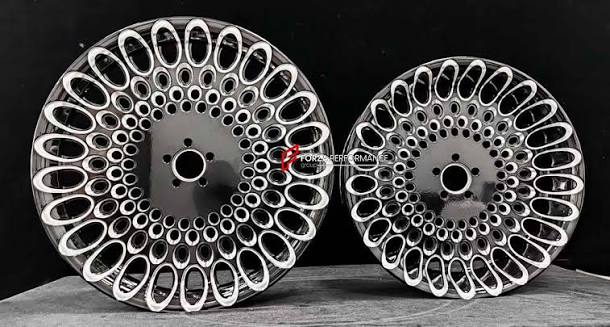
Introduction
Wheels are an essential part of any vehicle, influencing its appearance, handling, durability, and overall driving experience. For car enthusiasts who want to upgrade their vehicles, choosing the right wheels can make a significant difference. Among the most popular options are custom forged wheels and cast wheels. Although both serve the same basic purpose, their manufacturing processes, structural properties, prices, and performance characteristics differ considerably.
Understanding these differences helps drivers make informed decisions based on their driving habits, vehicle requirements, and budgets. Whether you are building a performance-focused sports car, customizing a daily driver, or creating a unique automotive style, knowing how forged and cast wheels compare can help you select the right option.
What Are Custom Forged Wheels?
Custom forged wheels are manufactured using a process that applies substantial pressure to a solid piece of metal, typically an aluminum alloy. This process shapes the material into a strong wheel structure while helping maintain favorable mechanical properties. After forging, the wheel undergoes machining, finishing, and quality inspections before it is ready for installation.
One of the main attractions of custom forged wheels is their combination of strength, weight optimization, and design flexibility. Manufacturers can create different widths, diameters, offsets, and finishes to suit particular vehicles and customer preferences.
How Forged Wheels Are Manufactured
The manufacturing process begins with a solid aluminum billet or forged blank. Specialized equipment applies considerable pressure to shape the material into the required form. The wheel is then precision-machined to achieve its final dimensions and design.
Additional finishing processes may include polishing, painting, brushing, or applying protective coatings. Each stage contributes to the wheel’s appearance and functional quality.
Because forged wheels can be engineered with specific performance objectives in mind, they are often selected for sports cars, premium vehicles, and enthusiast builds where weight and strength are important considerations.
Main Benefits of Custom Forged Wheels
Custom forged wheels offer several advantages for drivers seeking a personalized upgrade.
First, their manufacturing process can produce excellent strength relative to weight. This allows manufacturers to develop lightweight designs without unnecessarily compromising structural performance.
Second, custom options provide considerable design flexibility. Buyers can select dimensions, spoke patterns, finishes, and other specifications that complement their vehicles.
Third, high-quality forged wheels can provide long-term value when properly designed, manufactured, installed, and maintained. Their durability makes them attractive to enthusiasts who prioritize performance and premium construction.
However, forged wheels are not automatically indestructible. Severe impacts, incorrect fitment, manufacturing defects, and improper use can still cause damage.
What Are Cast Wheels?
Cast wheels are manufactured by pouring molten aluminum alloy into a mold, where the metal cools and solidifies into the wheel’s basic shape. After cooling, the wheel is machined, finished, and inspected to meet the manufacturer’s specifications.
Casting is a widely used production method because it allows manufacturers to produce wheels in large quantities while controlling manufacturing costs. This makes cast wheels available in a broad selection of designs and price ranges.
They are commonly fitted to everyday passenger vehicles and are also popular among drivers who want to improve their vehicle’s appearance without making a substantial investment.
How Cast Wheels Are Manufactured
The process begins by heating an aluminum alloy until it becomes liquid. The molten metal is then poured or injected into a prepared mold, depending on the casting method.
Once the material cools and solidifies, the wheel is removed from the mold. Manufacturers perform additional machining to refine mounting surfaces, bolt holes, and other important features.
The wheel may then receive paint, a clear coat, or another decorative finish. Quality-control checks help verify that it meets the required dimensional and structural standards.
Different casting methods can produce different results. Therefore, the quality of a cast wheel depends on more than its manufacturing category alone.
Main Benefits of Cast Wheels
Affordability is one of the most significant advantages of cast wheels. Their production methods are generally more economical for high-volume manufacturing, allowing consumers to choose from numerous styles at accessible prices.
Cast wheels are also widely available in different sizes, finishes, and spoke configurations. This makes it easier for drivers to find options that match their vehicle and personal preferences.
For commuting, ordinary road use, and many everyday driving situations, properly engineered cast wheels can provide dependable service.
Although some cast wheels may weigh more than comparable forged alternatives, their actual weight depends on their dimensions, design, and construction.
Custom Forged Wheels vs. Cast Wheels: The Key Differences
1. Manufacturing Process
The primary difference between forged and cast wheels is how they are produced.
Forged wheels begin with solid metal shaped under high pressure. This process helps create a refined material structure suitable for demanding engineering applications.
Cast wheels begin with molten metal that solidifies inside a mold. This method offers production efficiency and design versatility, making it suitable for manufacturing large quantities of wheels.
Neither process alone guarantees a perfect product. Material selection, engineering, manufacturing controls, and inspection all influence the final wheel’s quality.
2. Strength and Durability
Strength is an important consideration when selecting wheels for performance driving or challenging road conditions.
Forged wheels can offer excellent strength-to-weight characteristics because of their manufacturing process and the way the material is formed. This can allow manufacturers to optimize the wheel’s structure for particular loads and applications.
Cast wheels can also be strong and reliable when properly designed and manufactured. However, their material characteristics differ from those of forged products, and the performance of individual wheels varies.
Durability also depends on the wheel’s design, alloy, dimensions, and exposure to impacts. Drivers should choose products that meet the vehicle manufacturer’s load requirements rather than assuming that every forged wheel is superior to every cast wheel.
3. Weight and Driving Performance
Wheel weight can influence vehicle behavior because wheels are part of the vehicle’s unsprung mass. Depending on their design, lighter wheels may help suspension components respond more effectively to changes in the road surface.
Reducing rotational mass can also affect acceleration and braking behavior, although the actual results depend on the amount of weight saved and other vehicle characteristics.
Custom forged wheels are often engineered to reduce unnecessary material while maintaining the required structural integrity. This makes them attractive for performance vehicles and drivers interested in handling improvements.
Cast wheels vary widely in weight. Some are relatively lightweight, while others prioritize affordability or styling over weight reduction.
When comparing products, examine the actual weight of each wheel in the correct size rather than relying exclusively on whether it is forged or cast.
4. Design and Customization
Custom forged wheels are particularly appealing to enthusiasts who want a distinctive appearance. Manufacturers may offer different spoke arrangements, widths, offsets, finishes, and personalized specifications.
This flexibility can help drivers create a coordinated look for a sports car, luxury sedan, or modified vehicle.
Cast wheels also provide extensive design options. Modern manufacturing techniques allow manufacturers to produce many attractive shapes and finishes at competitive prices.
The main distinction is that extensive customization is often more accessible through specialist forged-wheel manufacturers, while cast wheels generally offer a wider range of ready-made, mass-produced choices at lower prices.
5. Cost and Overall Value
Price is one of the clearest differences between these wheel types.
Custom forged wheels typically cost more because of specialized manufacturing equipment, additional machining, customization, and production requirements. Bespoke specifications can increase the total price further.
Cast wheels are usually more affordable because their production processes are well suited to higher-volume manufacturing.
For drivers working within a limited budget, cast wheels may provide excellent value. Those who prioritize specialized design, reduced weight, or premium construction may consider forged wheels worth the additional investment.
The best choice depends on how much value the buyer places on each benefit. More expensive wheels do not automatically produce a noticeable improvement in every driving situation.
Which Wheels Are Better for Different Driving Needs?
Daily Driving
For everyday commuting, school or work journeys, shopping trips, and routine travel, quality cast wheels are often a practical choice. They can deliver dependable performance without requiring a large financial commitment.
Drivers should focus on correct fitment, appropriate load ratings, reputable manufacturing, and compatibility with their tires.
Forged wheels can also be used for daily driving, particularly when owners appreciate their appearance or construction. However, their higher price may not be necessary for a vehicle used primarily for ordinary transportation.
Performance and Track Driving
Drivers who participate in motorsport or track events may benefit from lightweight, properly engineered forged wheels. Lower wheel weight can support handling and suspension response, while suitable designs can meet demanding performance requirements.
Nevertheless, track use requires more than selecting forged construction. Wheel load ratings, brake clearance, tire selection, heat exposure, and regular inspections are all important.
A high-quality cast wheel designed for the intended application may also be suitable for certain performance uses.
Custom and Luxury Vehicles
For luxury vehicles and carefully planned automotive builds, custom forged wheels offer opportunities to coordinate appearance with performance objectives.
Owners can select precise specifications and distinctive finishes that complement the vehicle’s styling.
Cast wheels remain a strong option for drivers who want a stylish upgrade while controlling costs. With the wide range of available designs, it is possible to achieve an attractive result without choosing a bespoke product.
Important Factors to Consider Before Buying
Before purchasing new wheels, check several essential details.
Wheel size and fitment: Confirm the correct diameter, width, bolt pattern, center bore, and offset. Incorrect specifications can affect clearance, handling, and safety.
Load rating: Each wheel must be capable of supporting the loads expected for the vehicle and its intended use.
Brake clearance: Larger brakes or modified suspension components may require specific wheel dimensions and spoke designs.
Material and construction quality: Purchase from reputable manufacturers that provide reliable product specifications and appropriate quality documentation.
Finish and maintenance: Painted, polished, and coated finishes require suitable cleaning methods to preserve their appearance.
Total cost: Include tires, mounting, balancing, installation, and any necessary accessories when comparing prices.
It is also important to check local vehicle regulations and any warranty conditions that may apply to wheel modifications.
Maintenance Tips for Forged and Cast Wheels
Regardless of manufacturing method, wheels benefit from regular care.
Clean them using products suitable for their finish, and avoid harsh chemicals that may damage protective coatings. Remove road grime and brake dust before deposits become difficult to clean.
Inspect wheels periodically for cracks, bends, corrosion, and other visible damage. After a significant impact with a pothole or curb, have the wheel and tire checked by a qualified professional.
Maintain the recommended tire pressure and ensure that wheel fasteners are tightened to the vehicle or wheel manufacturer’s specifications.
Professional inspection is especially important after demanding driving events or when unusual vibrations develop. A damaged wheel should not remain in service until its safety has been assessed.
Conclusion
Custom forged wheels and cast wheels both offer useful advantages, but they serve different priorities. Forged wheels are often chosen for their strength-to-weight potential, premium construction, and customization opportunities. Cast wheels appeal to drivers who want attractive styling, broad availability, and affordability.
The right choice depends on your vehicle, driving conditions, performance goals, and budget. If personalized specifications and weight optimization are your main priorities, forged wheels may be worth considering. If you want a practical and economical upgrade for everyday driving, quality cast wheels can be an excellent solution.
Ultimately, the best wheel is not simply the most expensive or fashionable option. It is the one that meets your vehicle’s requirements, comes from a reputable manufacturer, and delivers the right balance of safety, performance, appearance, and value.