
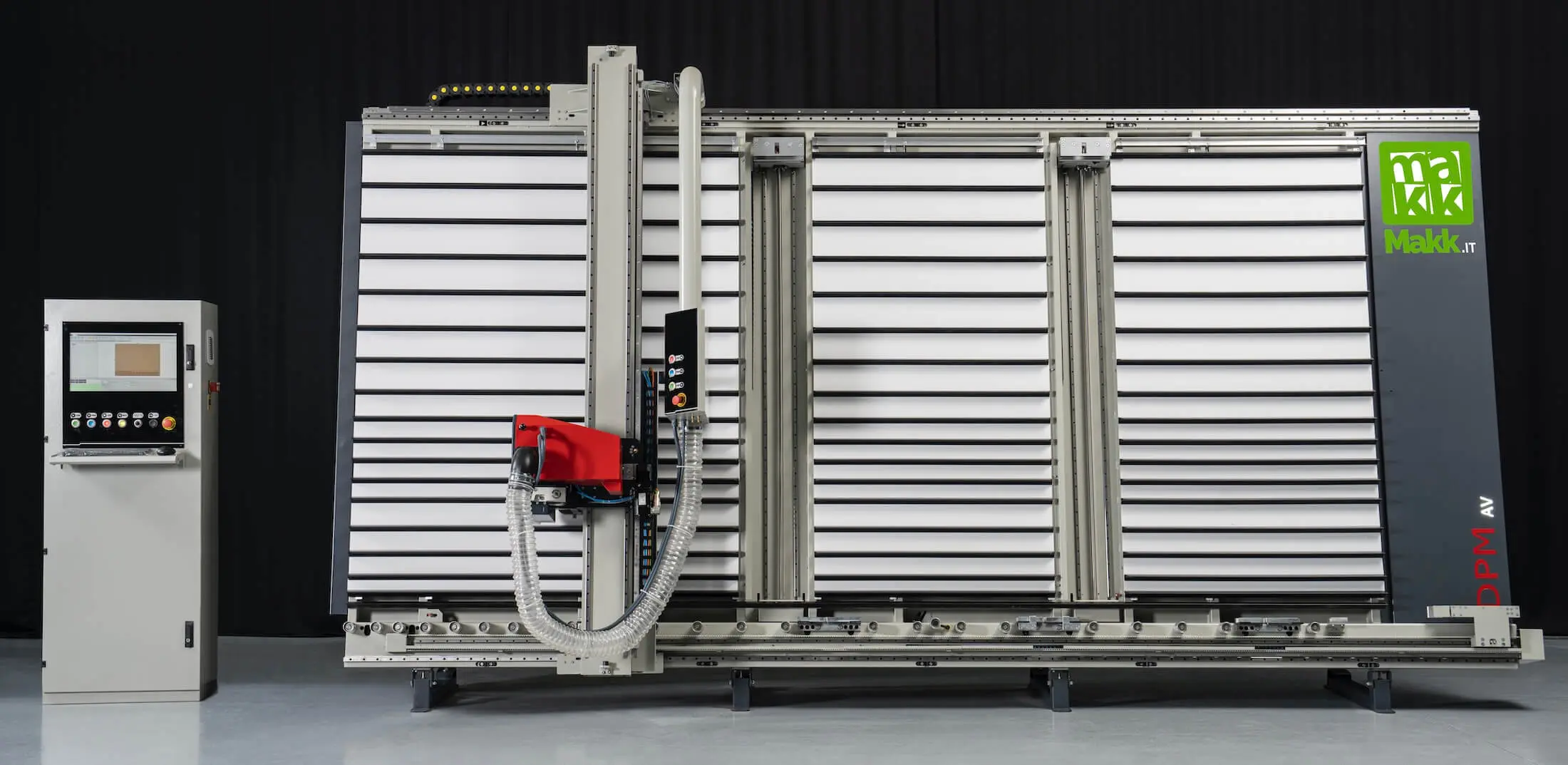
In the fast-paced world of modern woodworking and furniture production, efficiency and precision are no longer optional—they are essential. Manufacturers are constantly seeking ways to improve productivity while minimizing waste and ensuring consistent quality. One machine that has become a cornerstone of this evolution is the CNC Panel Saw. By combining advanced technology with reliable cutting capabilities, CNC Panel Saws have transformed the way wood and panel materials are processed, making production faster, more accurate, and cost-effective.
Revolutionizing Cutting Processes with CNC Panel Saws
Traditionally, panel cutting was a labor-intensive process that required skilled operators and careful planning to reduce material waste. Manual saws often led to inconsistencies in dimensions, resulting in defective pieces or the need for additional finishing work. CNC Panel Saws address these challenges by automating the cutting process with computer-controlled precision. Operators can input exact dimensions, angles, and patterns, and the machine executes the cuts flawlessly, consistently producing pieces that meet strict specifications.
The automation offered by CNC Panel Saws significantly reduces human error. Each cut is calculated and executed with high accuracy, which is critical for industries where tight tolerances are necessary, such as cabinetry, furniture, and interior design. This precision not only improves the quality of the final product but also minimizes material waste, which can lead to substantial cost savings over time.
Enhancing Production Speed and Workflow Efficiency
One of the most notable advantages of CNC Panel Saws is the boost they provide to production speed. These machines can handle large panels quickly and efficiently, often processing multiple cuts in a single setup. The automation of repetitive tasks allows operators to focus on other aspects of production, such as assembly or finishing, which streamlines workflow and improves overall operational efficiency.
CNC Panel Saws also support optimization software, which plans cuts to maximize material utilization. This means panels can be nested in a way that reduces leftover scraps, ensuring that every sheet of material is used efficiently. By combining precision cutting with smart material management, manufacturers can achieve higher throughput without compromising on quality.
Flexibility in Cutting and Design
Modern production demands versatility, and CNC Panel Saws excel in this area. They are capable of performing a variety of cuts, including straight, angled, and complex shapes, all with consistent accuracy. This flexibility allows manufacturers to produce custom designs and adapt quickly to changing client requirements.
For example, furniture makers can cut panels for intricate cabinet designs or decorative elements without the need for multiple machines or manual intervention. The ability to handle diverse cutting tasks in a single machine reduces the need for additional equipment, lowers operational costs, and saves valuable workshop space.
Reducing Labor Costs and Increasing Safety
While skilled labor remains essential in woodworking, CNC Panel Saws help reduce the reliance on manual cutting. Automation means fewer operators are needed to achieve the same level of output, which can lower labor costs and improve profitability. Additionally, these machines enhance workplace safety by reducing the risk of accidents associated with manual saws. Operators are less exposed to sharp blades and heavy panels, and the machine’s built-in safety features further protect workers.
Integration with Digital Production Systems
CNC Panel Saws are designed to integrate seamlessly with digital production systems. This integration allows manufacturers to link design software directly to the cutting process. CAD (Computer-Aided Design) files can be imported into the CNC system, translating design specifications into precise cutting instructions. This eliminates the need for manual measurements and ensures that the production process accurately reflects the original design intent.
Digital integration also enables better tracking of production metrics. Manufacturers can monitor machine performance, production speed, and material usage, providing valuable data for continuous improvement. This connectivity is a key factor in modern smart factories, where efficiency, traceability, and quality control are paramount.
Sustainability and Material Efficiency
Reducing waste is not only cost-effective but also environmentally responsible. CNC Panel Saws contribute to sustainable production practices by optimizing material usage. Advanced cutting algorithms allow manufacturers to plan the most efficient layouts for each panel, minimizing offcuts and scrap. In addition, the accuracy of the cuts reduces the need for rework, which further conserves resources and energy.
By improving material efficiency, CNC Panel Saws help manufacturers lower their environmental footprint while maintaining profitability. In an industry where sustainability is increasingly important to consumers and clients, this advantage can be a significant differentiator.
Return on Investment and Long-Term Benefits
Investing in a CNC Panel Saw may involve a significant upfront cost, but the long-term benefits often outweigh the initial investment. Increased production speed, reduced labor requirements, minimized material waste, and consistent product quality all contribute to a rapid return on investment. Manufacturers can scale up production without proportionally increasing costs, allowing them to remain competitive in a demanding market.
Moreover, the adaptability of CNC Panel Saws ensures that they remain valuable as production needs evolve. Whether producing standard panels or custom designs, these machines can handle a wide range of tasks, making them a future-proof solution for woodworking operations.
Conclusion
CNC Panel Saws have revolutionized the woodworking and furniture production industries by combining precision, efficiency, and versatility. They eliminate the limitations of manual cutting, reduce material waste, enhance production speed, and improve workplace safety. By integrating digital systems, manufacturers can streamline their workflow, maintain consistent quality, and respond quickly to design changes.
In an industry where time, accuracy, and efficiency are critical, CNC Panel Saws provide a powerful solution for modern production challenges. Investing in these machines is not just a step toward operational improvement—it is a strategic move that ensures long-term competitiveness and sustainability. For any manufacturer looking to enhance productivity and maintain high standards, the CNC Panel Saw is no longer optional; it is essential.
This technology represents the perfect intersection of innovation and practicality, allowing businesses to achieve more with less effort while maintaining the precision and quality that modern customers demand.